What Are Dental Crowns?
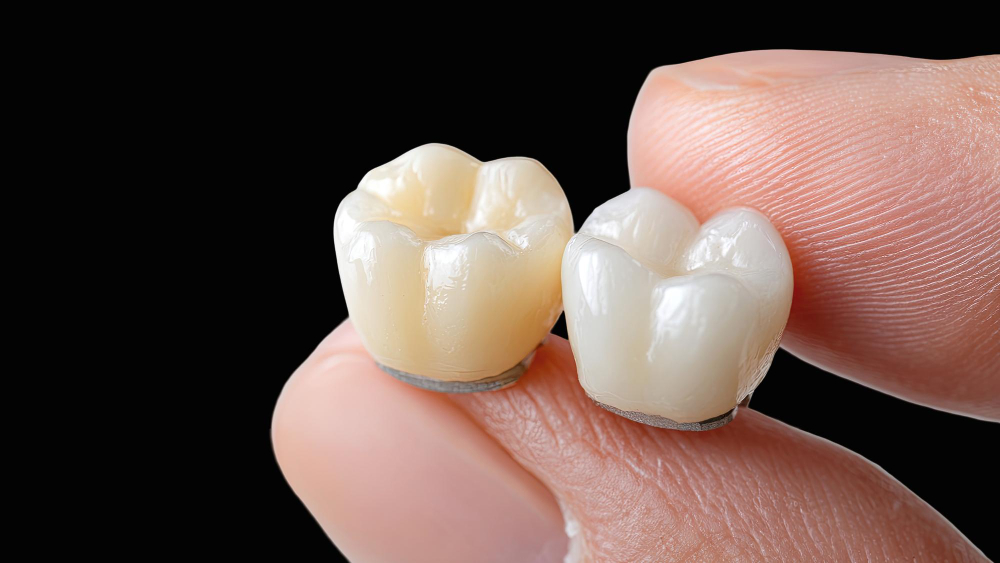
Dental crowns are tooth-shaped caps placed over damaged or weak teeth. They help restore the tooth’s shape, size, and strength. Often, dental crowns improve the look of your smile. Dentists use them when a tooth needs extra support or protection. Because they cover the whole tooth, crowns can last for many years with proper care.
Types of Dental Crowns
There are several types of dental crowns. Each type has its own features and benefits. Your dentist will help you choose the best one for your needs. Here are the most common types:
Benefits of Dental Crowns
Dental crowns offer many advantages. For example, they can protect weak teeth from breaking. In addition, crowns restore broken or worn-down teeth. Here are some key benefits:
According to the American Dental Association, crowns are a reliable way to save teeth and improve oral health.
When Are Dental Crowns Recommended?
Sometimes, a tooth needs more than a simple filling. In these cases, dental crowns are often the best choice. Dentists may recommend crowns for several reasons:
If you have any of these issues, your dentist may suggest a crown. For people looking for dental crowns in their city, many local clinics offer different types of crowns to fit your needs.
The Dental Crown Procedure
Getting a dental crown usually takes two visits. First, your dentist will examine your tooth and take X-rays. Next, they will shape the tooth and take an impression. This helps create a crown that fits perfectly. While you wait for the permanent crown, a temporary one is placed. At the second visit, the dentist removes the temporary crown and fits the new one. Finally, they check the fit and cement the crown in place. The process is simple and helps restore your tooth’s function and look.
Aftercare and Maintenance Tips
Proper care helps your dental crown last longer. Here are some easy tips:
With good care, crowns can last many years and keep your smile healthy.
Risks and Considerations
While dental crowns are safe, there are some risks. For instance, crowns can sometimes become loose or fall off. Rarely, you may feel sensitivity or discomfort. In some cases, the crown may chip or break. However, most problems can be fixed by your dentist. Always follow your dentist’s advice to avoid issues.
In summary, dental crowns are a strong and attractive way to restore teeth. If you think you need a crown, consult Dr. Tejaswari to find out if a dental crown is right for you.