What Is a Gummy Smile?
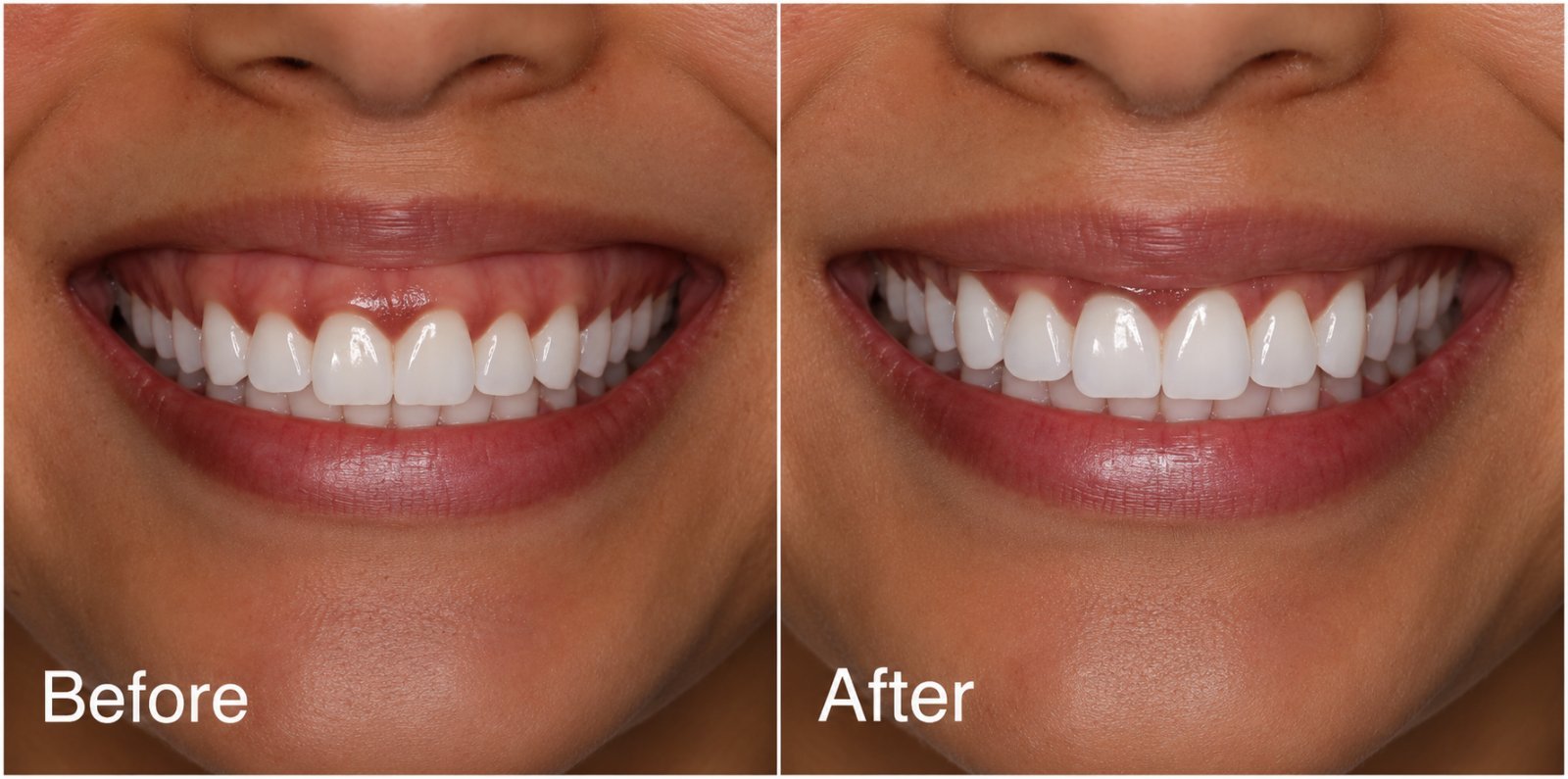
A gummy smile happens when too much gum shows above your upper teeth when you smile. For many people, this can affect confidence. While a gummy smile is not harmful, it can make some people feel self-conscious. Thankfully, gummy smile correction offers several ways to improve your smile.
How to Recognize a Gummy Smile
Often, people notice a gummy smile when more than 3-4 millimeters of gum tissue shows while smiling. However, not everyone is bothered by this. Some signs include:
For some, friends or family may point it out. But, only you can decide if you want gummy smile correction.
What Causes a Gummy Smile?
There are several reasons why a gummy smile may happen. Understanding the cause helps your dentist choose the best treatment. Common causes include:
Because each case is unique, a dentist for gummy smile correction will check what is causing your smile to look this way.
How Dentists Diagnose a Gummy Smile
First, your dentist will ask about your concerns and medical history. Next, they will look at your mouth, teeth, and gums. They may also take photos or X-rays. This helps them see how much gum shows and why. Sometimes, they measure your teeth and gums to plan the best gummy smile treatment options. In some cases, they may refer you to a specialist for further care.
Treatment Options for Gummy Smile Correction
There are many ways to fix a gummy smile. The right choice depends on the cause and your needs. Here are some common gummy smile correction methods:
Non-Surgical Treatments
Surgical Treatments
Because each person is different, your dentist will explain which gummy smile treatment options are best for you. If you search for “gummy smile correction near me,” you can find local experts for help.
Lifestyle Guidance and Aftercare Tips
After gummy smile correction, caring for your mouth is important. Here are some tips:
Additionally, if you notice swelling or pain, contact your dentist right away. Good oral care helps your results last longer.
Can You Prevent a Gummy Smile?
In many cases, a gummy smile is due to genetics or jaw shape. Therefore, it cannot always be prevented. However, keeping your gums healthy by brushing, flossing, and seeing your dentist can help prevent gum swelling. Early dental visits for children may also spot issues sooner.
Conclusion
To sum up, gummy smile correction offers many ways to improve your smile. Whether you choose non-surgical or surgical options, a dentist for gummy smile can guide you. If you are unhappy with your smile, do not wait.
Take the first step toward a more balanced, confident smile, consult Dr. Tejaswari for personalized advice on gummy smile correction.