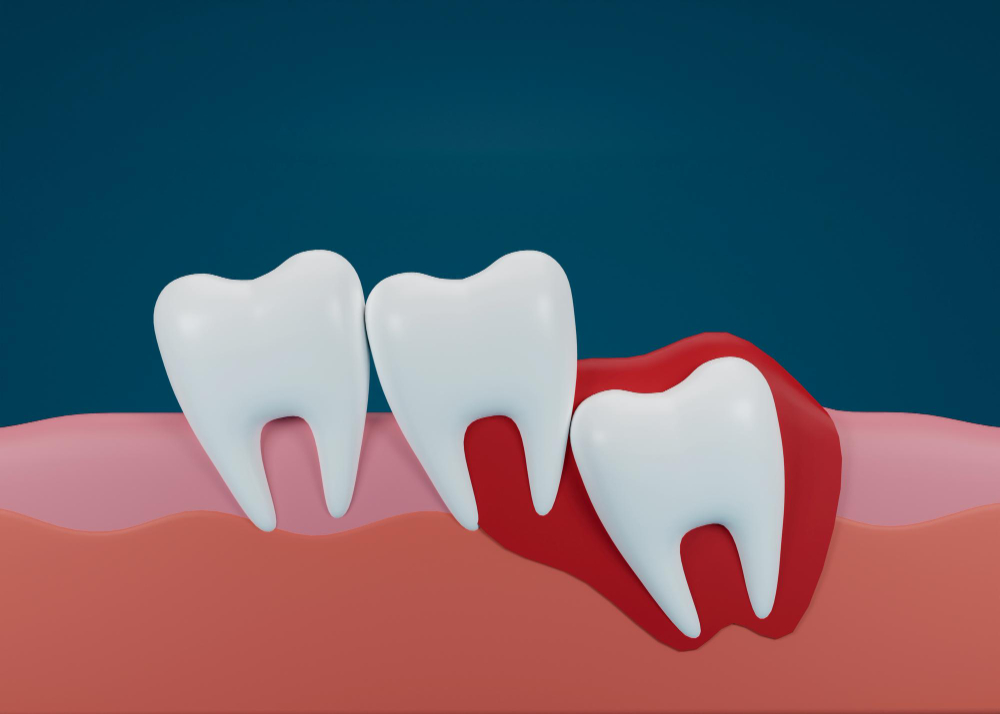
What Are Impacted Wisdom Teeth?
Impacted wisdom teeth are third molars that do not have enough space to grow. Because of this, they may stay trapped under the gum or push against other teeth. Usually, wisdom teeth appear between ages 17 and 25. However, many people experience problems when these teeth do not come in properly. Impacted wisdom teeth can cause pain, swelling, or even infection. For this reason, it is important to know the signs and seek help if needed.
Common Symptoms of Impacted Wisdom Teeth
Many people do not notice symptoms at first. Still, impacted wisdom teeth can lead to discomfort over time. Here are some common signs of impacted wisdom teeth:
Sometimes, these symptoms may get worse if the tooth becomes infected. Therefore, it is wise to watch for any changes in your mouth.
Causes of Impacted Wisdom Teeth
Several reasons can lead to impacted wisdom teeth. Most often, the jaw is too small to fit extra molars. As a result, the teeth may grow at odd angles or stay trapped below the gum. Other causes include:
Because of these factors, not everyone will have problems with their wisdom teeth. Yet, many young adults do face these issues.
How Impacted Wisdom Teeth Are Diagnosed
Dentists use several methods to check for impacted wisdom teeth. First, they will ask about your symptoms and examine your mouth. Next, they may take X-rays to see the position of your teeth. X-rays help show if a tooth is stuck or pressing against others. In many cases, early diagnosis can prevent more serious problems. Therefore, regular dental check-ups are important for everyone.
Treatment Options for Impacted Wisdom Teeth
Treatment for impacted wisdom teeth depends on your symptoms and the tooth’s position. Sometimes, no treatment is needed if there are no problems. However, if you have pain or infection, your dentist may suggest wisdom tooth extraction. Here are common treatment options:
After extraction, most people recover within a few days. But, it is important to follow your dentist’s advice for a smooth recovery.
Prevention and Oral Care Tips
While you cannot always prevent impacted wisdom teeth, good oral care can help. Here are some tips to keep your mouth healthy:
Because early care can stop bigger problems, it is wise to follow these habits every day.
When to See a Dentist
It is important to see a dentist if you notice any signs of impacted wisdom teeth. For example, pain, swelling, or trouble opening your mouth should not be ignored. Also, if you have wisdom tooth pain that lasts more than a few days, make an appointment. Early treatment can prevent infection and protect your other teeth. Therefore, do not wait if you have concerns.
Conclusion and Next Steps
In summary, impacted wisdom teeth can cause pain and other problems if left untreated. Knowing the symptoms and causes can help you act early. Regular dental visits and good oral care are key. If you think you have impacted wisdom teeth, do not wait. Consult Dr. Tejaswari for personalized advice on impacted wisdom teeth.