Introduction to Dental Implants and Their Importance
Missing teeth can affect your smile and your health. Dental implants offer a strong, lasting solution for missing teeth. In fact, many experts call dental implants the gold standard for tooth replacement. They look, feel, and work like natural teeth. Because of this, more people choose dental implants for missing teeth every year. According to the American Academy of Implant Dentistry, millions of people in the U.S. have dental implants. This number keeps growing as more people learn about their benefits.
Symptoms and Problems Caused by Missing Teeth
When you lose a tooth, you may notice several changes. For example, you might have trouble chewing food. You may also feel less confident when you smile. Over time, missing teeth can cause other problems, such as:
Because of these issues, it is important to replace missing teeth as soon as possible.
What Dental Implants Are and How They Work
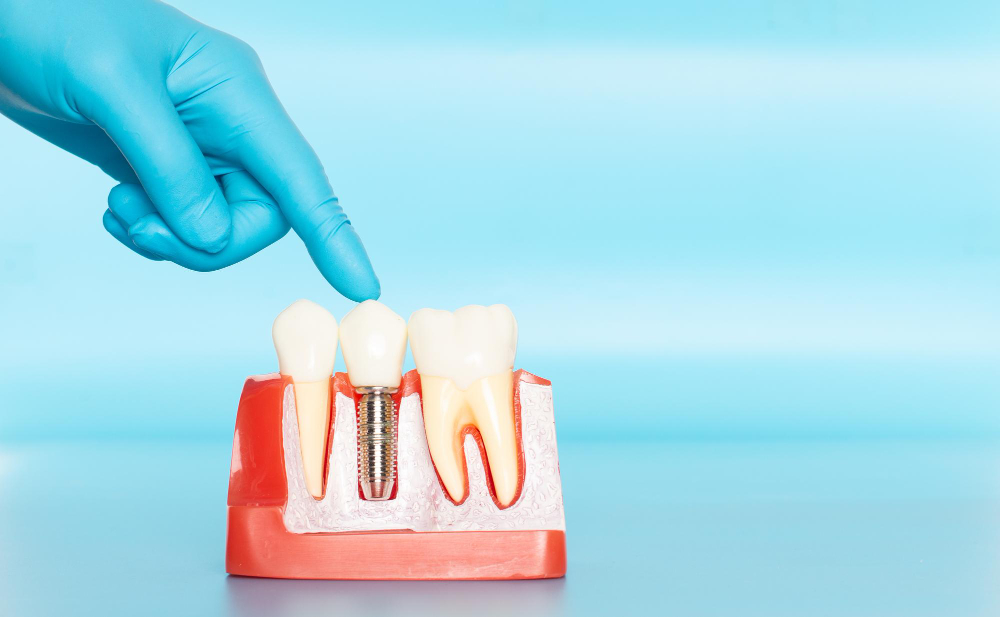
Dental implants are small posts made of titanium or other safe materials. Dentists place them in your jawbone where teeth are missing. Over time, the bone grows around the implant. This process is called osseointegration. As a result, the implant becomes very stable. After healing, a dentist attaches a crown, bridge, or denture to the implant. This new tooth looks and works like your own. In many cases, dental implants for missing teeth can last a lifetime with proper care.
Why Dental Implants Are Considered the Gold Standard
Dental implants are often called the best tooth replacement option. But why are they better than bridges or dentures? Here are some key reasons:
Because of these benefits, dental implants are often the first choice for many people.
The Dental Implant Procedure: Diagnosis, Steps, and Recovery
Getting dental implants involves several steps. First, your dentist will check your mouth and take X-rays. This helps them plan your treatment. Next, the dentist places the implant in your jawbone. You may need to wait a few months for the bone to heal around the implant. After healing, the dentist attaches a small connector called an abutment. Finally, they place a crown or bridge on top. Most people feel only mild discomfort after surgery. You can usually return to normal activities within a few days. However, full healing may take several months.
Who Is a Good Candidate for Dental Implants?
Many adults with missing teeth can get dental implants. However, you need healthy gums and enough bone in your jaw. Good oral hygiene is also important. Some health conditions, such as uncontrolled diabetes or heavy smoking, may affect healing. Your dentist will review your medical history and take X-rays to decide if implants are right for you. In some cases, bone grafts or other treatments may help prepare your mouth for implants.
Common Concerns, Risks, and How to Minimize Them
Like any surgery, dental implants have some risks. For example, you may have swelling, pain, or infection. Rarely, the implant may not bond with the bone. However, most problems are minor and can be treated quickly. To lower your risk:
According to the CDC and dental journals, dental implants have a high success rate when placed by trained professionals.
Tips for Caring for Dental Implants and Maintaining Oral Health
Proper care helps your dental implants last longer. Here are some tips:
With these habits, you can keep your implants and natural teeth healthy for years.
Prevention of Tooth Loss
Although dental implants are a great solution, it is best to prevent tooth loss. You can protect your teeth by:
Because prevention is key, start good habits early and keep them for life.
Conclusion
Dental implants are the gold standard for replacing missing teeth. They offer many benefits over other options. If you have missing teeth, dental implants may be the best tooth replacement option for you. Consult a dental specialist Dr. Tejaswari to find out if dental implants are right for you.